
Greener Future
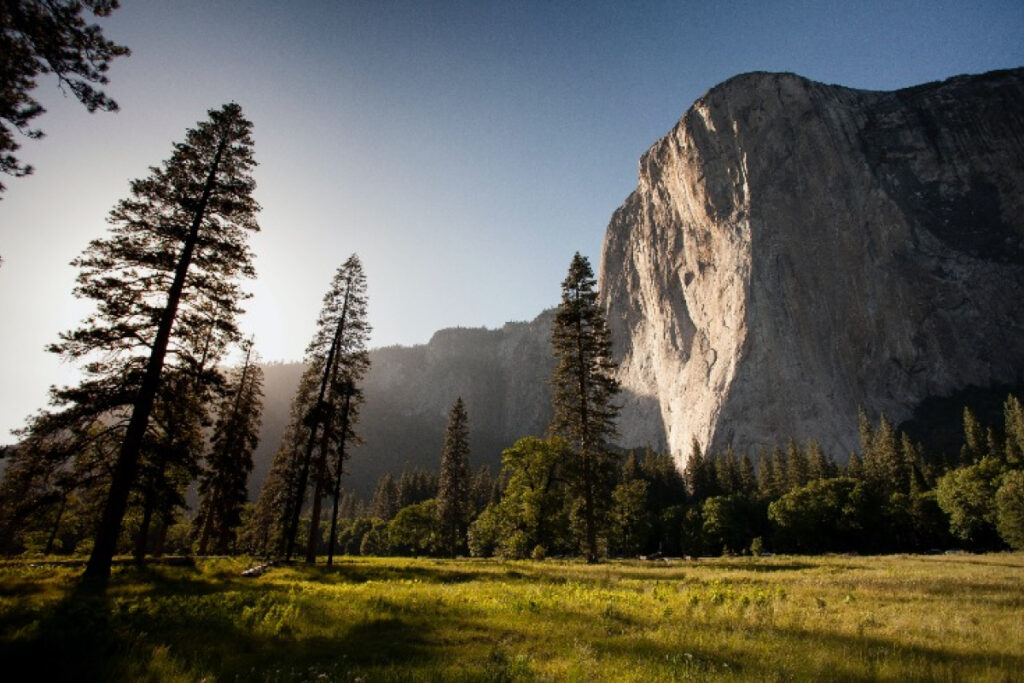
Creating Dense Native Forests for a Sustainable Ecosystem
30x denser vegetation
10x faster growth rate
Timely Delivery
Better air quality
MONITORING
The forest should be monitored once in 1-2 months, to check if the targets have been achieved and if any changes should be made to improve results. This should be done the first 8-12 months. Count the number of saplings that have survived, and record the data. Growth of selected species should also be monitored

MAINTENANCE
Water the forest with hose pipe once a day, depending on the rainfall in the area.
Keep the forest weed-free for the first 2-3 years. Once the forest starts growing. weed growth will stop. Ensure that the plants stay straight, are not buried under the mulch, and are only loosely tied to the support stick.
Keep the forest clean, and free of plastic, paper etc
Maintain proper drainage system so that water does not get accumulated anywhere in the forest. Do not build bunds in the forest, as accumulated water can kill plant roots.
Process of Creating a Miyawaki Forest
Mixing Meterials:
Perforator, water retainer and fertiliser, all without clumps, should be mixed together. They should be mixed in the exact ratio as was decided initially, for each mound.
Preparing the ground for plantation:
Each forest is created on a 100 sqm mound. Using an earthmover machine. first dig the earth to a depth of 1 metre on the 100 sqm land. Put half the earth back into the pit and spread it uniformly. This is to make the soil loose.
Mix with the soil half the biomass prepared in the previous step. Then put the remaining soil back into the pit and spread it uniformly. Now mix the remaining biomass with this soil evenly.
Afterwards, shape the soil into a mound. In the Miyawaki method, all saplings will be planted together on a mound, unlike conventional plantations where individual pits are dug up for each sapling.
Selecting trees for plantation:
Place plants on the mound to create a multi-layered, natural forest. Try to group plants that grow into different layers shrub, sub tree, tree and canopy in each sqm. Try not to place two trees of the same kind next to each other; also, don’t follow a pattern while planting the trees. Try to maintain a distance of 60 cm between saplings. The goal is to have random, dense plantation of native tree species.
Plantation
ThisTo plant the tree, dig a small pit on the mound with a trowel, remove the root bag in which the plant was growing, and gently place the plant in the pit. Level the soil outside gently around the stem of the plant, but do not press or compact the soil. There should not be more than 8-10 people on a mound at a time, since the idea is to plant on loose, aerated soil.
Support the plants with sticks
Place plants on the mound to create a multi-layeredSaplings need support during the initial months so that they don’t droop or bend. Insert support sticks into the soil close to the plant, without damaging the roots of the plant. For plants shorter than 1 metre, use 1 metre-long bamboo sticks. For taller plants, use slightly thicker 2-2.5 metre-long bamboo sticks. Tie the sticks to the plant stems using thin jute strings. Support sticks will be needed for at least every alternate plant.
Mulching
Mulch should be evenly laid out on the soil, in a 5-7 inch layer. To ensure that the mulch stays on the ground and does not fly around, it should be tied down with jute ropes. For this, bamboo pegs should be nailed at the periphery of the forest. Tie the pegs to each other with rope, pressing down on the mulch. There should be 30 pegs, each around 2 ft long. around every 100 sqm mound.